For cafés, consistent matcha service begins before the whisk touches water. A well-chosen bag can lose some of its character if it sits beside a steamy dishwasher, an open spice shelf, or a sunny prep bench. This guide to bulk matcha for cafes offers a practical routine for protecting colour, aroma, and day-to-day usability without turning the bar into a laboratory.
Matcha is finely milled tea, so its condition is influenced by handling once a bag is opened. Rather than chasing an arbitrary deadline, build a repeatable system: protect reserve stock, use a modest working quantity, rotate bags in order, and pay attention to what the powder tells you. The result is a calmer opening routine and a more dependable drink for the guest.
Key takeaways
- Keep trade bags airtight, cool, dark, dry, and clear of strong odours.
- Decant only the quantity the team expects to use soon into a clean working container.
- Label bags and containers so first-in, first-out rotation is straightforward.
- Sift the portion needed before preparation to break up soft clumps and support a smooth mix.
- Treat dull colour or a flat aroma as prompts to review handling.
Why wholesale matcha storage matters
Fine powder has a large surface area, so it is particularly exposed once a package is opened. Air, light, warmth, moisture, and nearby aromas can all work against the fresh impression a café wants to serve. Good wholesale matcha storage is therefore as relevant to the guest experience as dose, milk choice, and service speed.
For an overview of formats for drinks, baking, and retail, see the WA MATCHA product range. The Premium trade bags are intended for lattes and baking, while the Culinary Blend trade bag is intended for breads, cakes, cookies, and creams.
A storage routine for bulk matcha for cafes
A reliable system does not need specialised equipment. It needs a clear place for stock and a few habits that every barista can follow. Start by separating reserve bags from the powder used during service.
| Stage | Practical action | What it helps prevent |
|---|---|---|
| Reserve storage | Keep sealed trade bags in a cool, dark cupboard or drawer, away from humidity and strong-smelling goods. | Exposure before the bag is needed. |
| Opening a bag | Bring it into rotation only when ready, then close it securely after use. | Extended contact with air and moisture. |
| Working supply | Transfer a modest amount to a clean, dry, airtight container with a close-fitting lid. | Repeated handling of the main bag. |
| Service | Keep the container away from steam, the sink, oven, and direct sun. | Heat and humidity at the point of use. |
| Close-down | Wipe the rim, secure the lid, return the container to its storage spot, and check the label. | Powder left exposed or an unclear handover. |
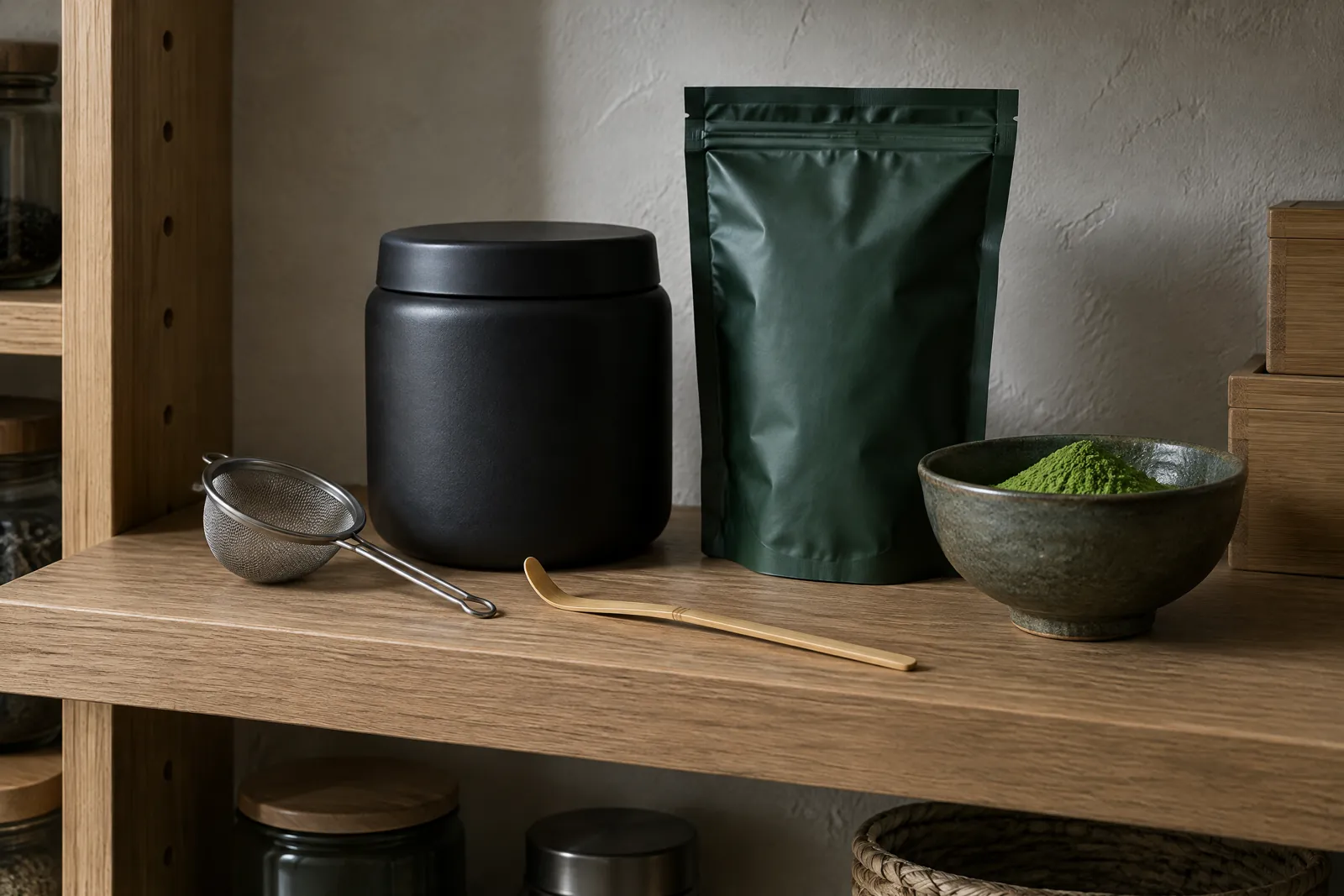
“Airtight” should be practical rather than elaborate. Use a container that closes well and is opened only when needed. Before filling it, make sure it is completely clean and dry. Water or a lingering scent from a previous ingredient can quickly become part of the next batch’s experience.
Location matters just as much. A shelf above the espresso machine may be convenient, but heat and steam make it a poor home for matcha. A cool, shaded drawer or cupboard, apart from coffee, spices, syrups, and cleaning products, is generally the better choice.
Decant the working quantity, not the whole bag
Keep the trade bag as reserve stock and work from a smaller vessel. Decant enough for regular service, then refill when needed. This limits how often the larger bag is opened and reduces the chance of a wet scoop or cloud of steam reaching the powder.
Choose the working quantity around your service pattern. A café with steady matcha orders may replenish more often; a site with occasional orders may keep less at the station. In both cases, transfer only what the team can use confidently and leave the rest protected. Use a dedicated dry scoop, and replace the lid promptly, including during quiet periods.
How to store matcha with first-in, first-out rotation
First-in, first-out is a practical discipline for tea as it is for other café ingredients. When a delivery arrives, place it behind existing reserve stock. When an opened bag is finished, bring the next oldest bag forward. The physical layout should make that decision easy at a glance.
Mark the date a bag was received and the date it was opened; label the working container as well. These are operational notes for your own team, not claims about a fixed shelf life. They make handovers more reliable, particularly when different people receive deliveries or close the bar.
A short weekly stock check can reveal simple improvements. Is an older bag hidden behind newer stock? Is the working container holding more than the team needs? Has it moved near a humid prep area? The answers often point to a process adjustment rather than a product problem.
WA MATCHA holds stock in Victoria, BC, rather than sending each order from Japan. That local stock can help cafés order smaller, more frequent quantities when this suits their volume and ordering pattern, reducing the pressure to hold more powder than they expect to use. Review wholesale options, minimums, and sample information when planning the format and ordering cadence that fit your menu.
Sift before service for a smoother mix
Sifting is a small step with a noticeable effect on workflow. Matcha can form soft clumps as it settles, especially in a working container. Passing the portion for a drink or recipe through a fine sieve breaks those apart before liquid is added.
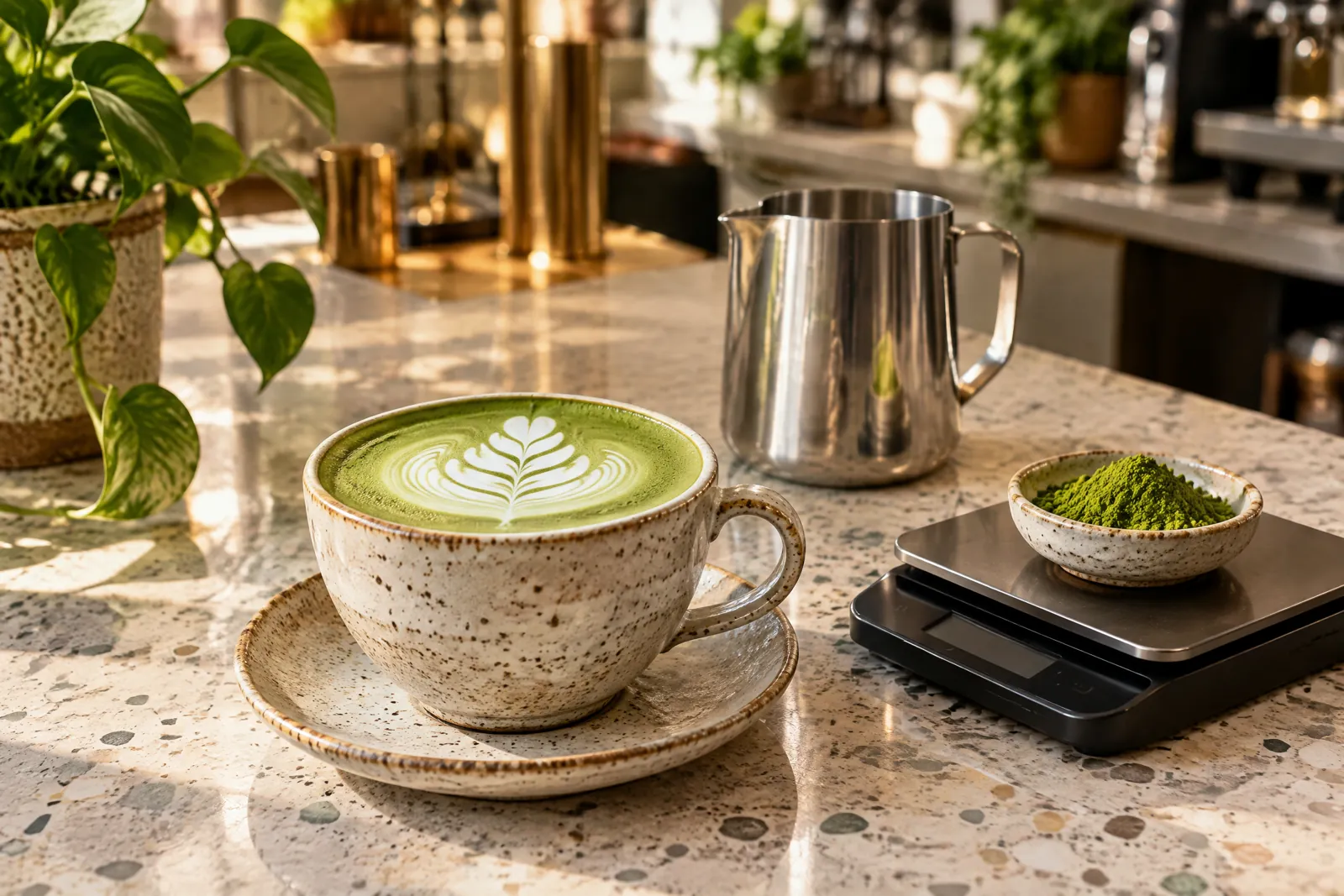
For a standard latte, WA MATCHA’s trade sheet uses about 2 g as a rule of thumb. Sift that measured portion into the bowl or pitcher, then incorporate it according to your house method. The sift does not replace good storage, but it helps the barista start with a more even powder.
For baking, measure and sift into the dry ingredients when the recipe calls for it. Most baking sits near 3 g of matcha for every 100 g of flour as a working guide, although each recipe should be tested in your own kitchen. Heat can fade matcha’s green in baked goods; creams, glazes, icing, and no-bake desserts can be better places to preserve a brighter presentation with Premium.
Check colour and aroma as part of matcha freshness
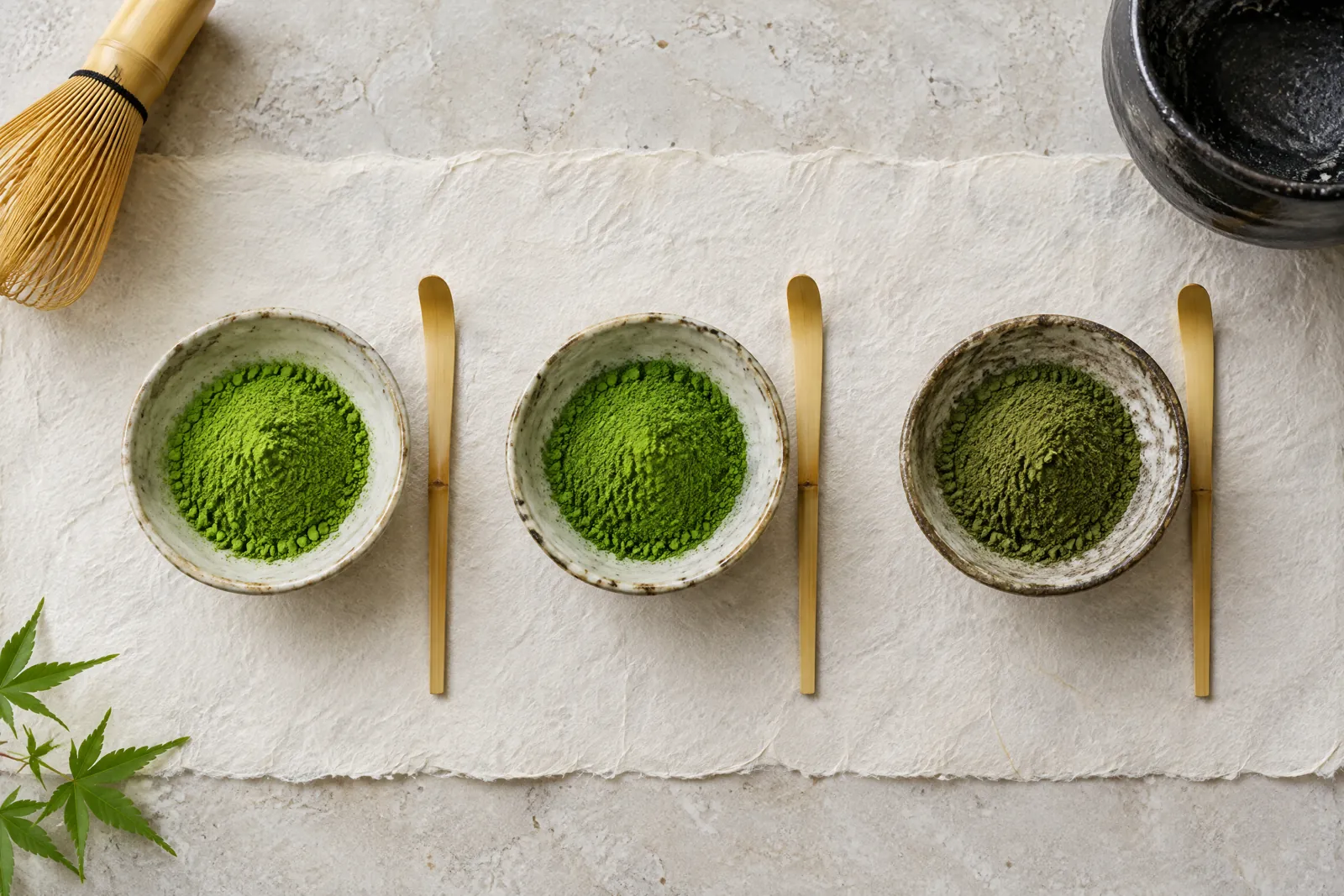
Use sight and smell as part of the prep routine. Matcha that looks noticeably duller than expected or has a flat aroma may have had more exposure than is ideal. Neither observation is a diagnosis on its own, but both are useful prompts to look at the process.
Ask the practical questions: Was the lid firmly closed? Was the scoop dry? Has the container been near steam, sunlight, or aromatic ingredients? Was an older bag bypassed in favour of a newer one? A quick review can prevent the issue from carrying into the next refill.
A few soft clumps are common in finely milled powder and are usually addressed by sifting. If the powder has been exposed to humidity, review the workflow before refilling the container. Do not mask a handling issue with extra sweetener or an altered recipe; restore the storage routine first.
Make the system easy to repeat
The best storage plan is one a new barista can understand in a minute. Keep a designated reserve location, one labelled working container, a dry scoop, and a fine sieve together or clearly assigned. Add the rotation step to opening and closing checklists, then explain why it matters: a little care protects a guest-facing ingredient.
For cafés choosing a bag size around their pace, see the Premium 1 kg matcha trade bag and its product details.
Ready to set up a matcha program with storage and service in mind? Businesses can request free samples through WA MATCHA’s contact page to start a conversation about their needs.
FAQ
How should a café store an opened bag of matcha?
Keep it closed securely in a cool, dark, dry place and away from strong odours. Decant a smaller working quantity into a clean, dry, airtight container so the main bag is not opened repeatedly during service.
Should matcha be kept beside the espresso machine for convenience?
It is generally better to keep the working container away from steam and heat. Choose a shaded drawer or cupboard that staff can reach easily without placing the powder in a humid service zone.
What are simple signs that matcha freshness needs review?
A noticeably dull colour or flat aroma can prompt a check of the storage routine. Review lids, container cleanliness, humidity exposure, location, and first-in, first-out rotation before the next refill.