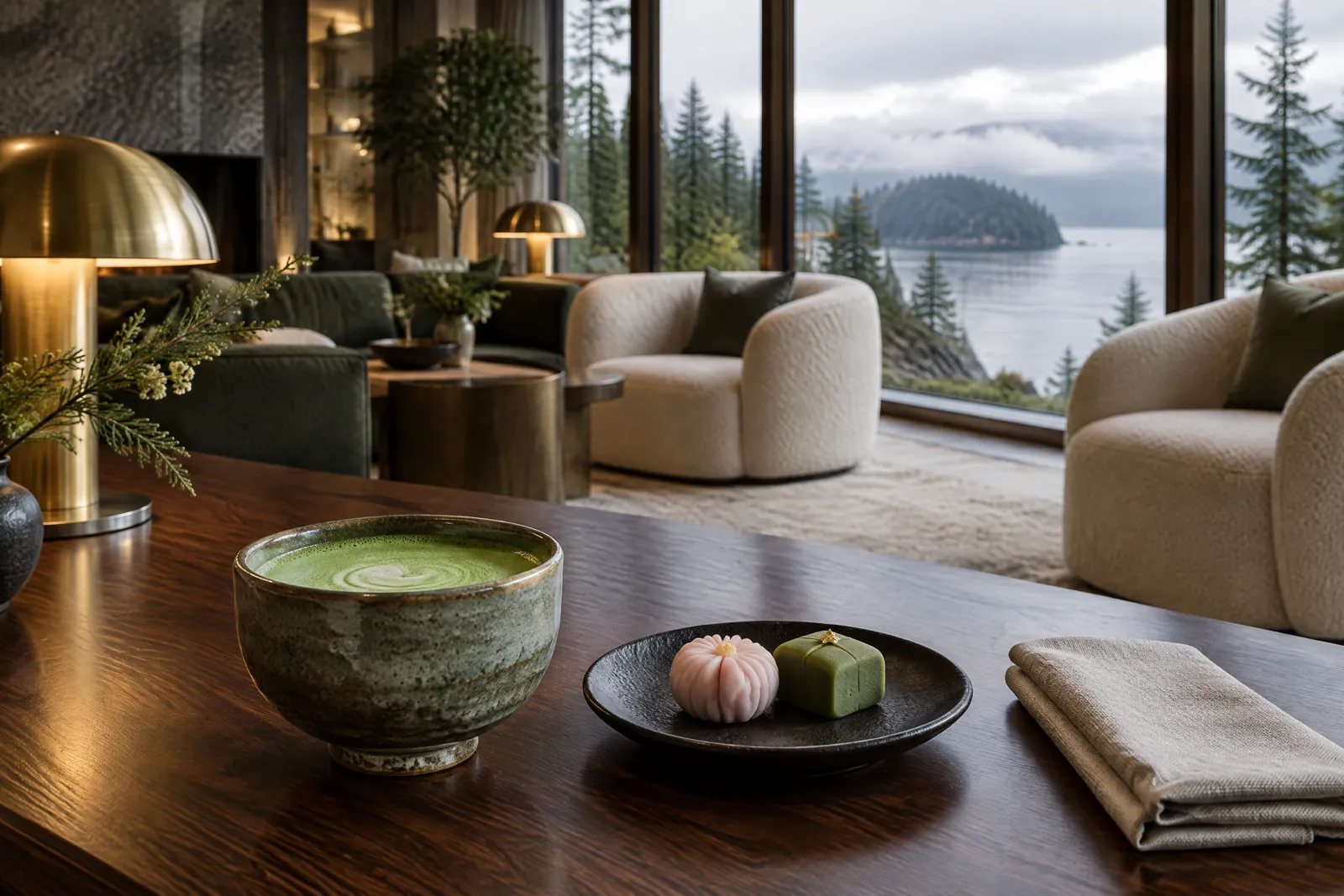
A successful approach to matcha for hotels and restaurants is more than one drink on a menu. It connects the breakfast buffet, lobby lounge, afternoon tea, pastry kitchen and, where it suits the property, a retail or in-room offering. With clear recipes, appropriate formats and a dependable ordering rhythm, matcha feels considered rather than added on.
For F&B managers, begin with the service occasions that already have staff attention, suitable equipment and a defined guest experience. Select the grade and format for each task instead of asking one bag to cover every use.
Key takeaways
- Assign a specific matcha format to each service occasion: whisked drinks, bar service, pastry or retail.
- Use a repeatable latte recipe and give every service team a short hands-on training session.
- Connect breakfast, the lobby lounge and afternoon tea while letting each outlet use its own presentation.
- Plan replenishment around menu use and keep product sealed, cool, dark and away from strong odours.
- Display the personalised Certified Partner certificate as a sign of the relationship, not as a product claim.
Planning matcha for hotels and restaurants
Map the guest journey and the teams involved before ordering. A hotel may start with breakfast and lobby drinks; a restaurant may start at the bar and in the dessert section. An initial program should be simple enough to execute consistently during a busy service.
At breakfast, a made-to-order latte station can work where a barista or attendant already prepares espresso drinks. On a buffet, give staff a written recipe and clear station setup rather than leaving guests to prepare it themselves. This supports consistency and reduces waste.
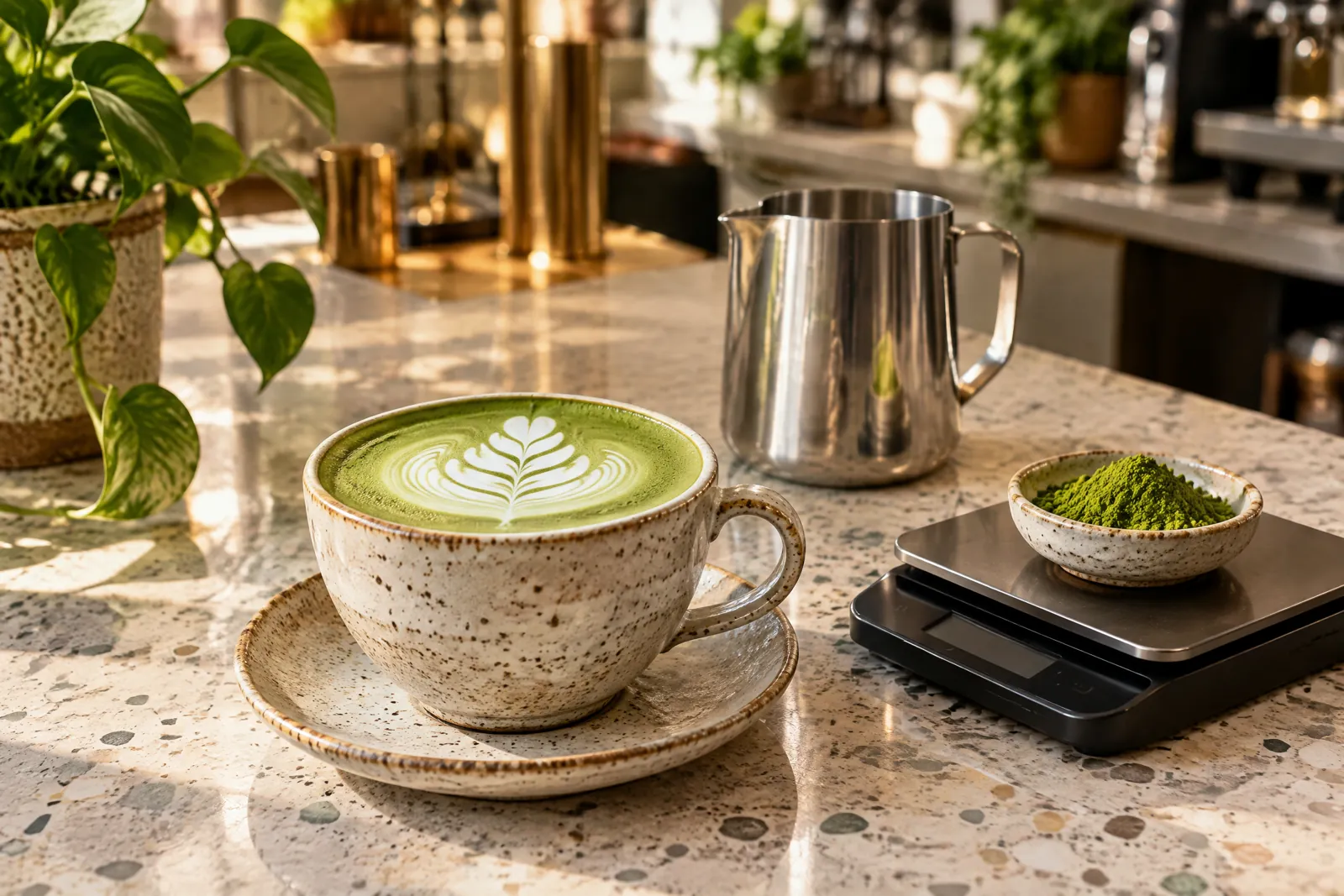
The lobby lounge is a natural place for both hot and chilled lattes. Build the drink into the existing workflow: measured matcha, a small amount of water to form a smooth paste, then the chosen milk. The lounge can also carry a straight whisked matcha as a more deliberate service.
Afternoon tea is another useful occasion. Matcha can appear as a whisked welcome drink, a latte pairing or a carefully finished pastry component. One beverage and one sweet can provide a recognisable thread without making the stand repetitive.
For teams looking for a hotel matcha supplier Canada, local stock can make purchasing easier to coordinate. WA MATCHA holds stock in Victoria, BC, so supply can move mid-month rather than being sent individually from Japan for each order. Published prices are list prices, and discounts are available depending on order volume and trading relationship.
Select the right format for the task
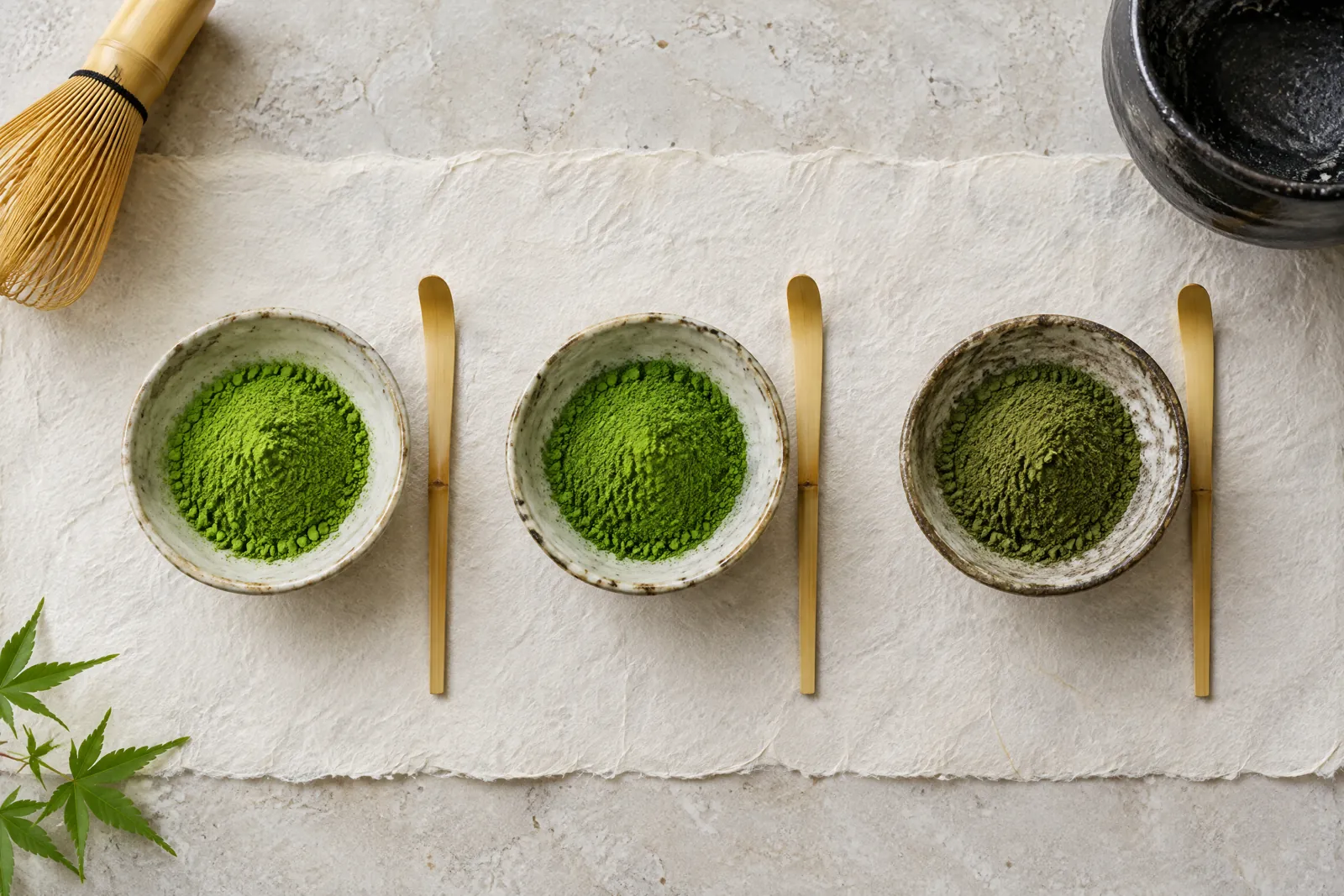
Match the product to the job so quality remains consistent across outlets. WA MATCHA’s range provides options for signature service, the beverage bar, kitchen production and guest-facing retail.
| Service need | Suggested format | How to use it |
|---|---|---|
| Signature whisked service | Ceremonial Tsuyuhikari 100g | For matcha served on its own, made to order for a considered lounge or afternoon-tea moment. |
| Lattes and beverage bar | Premium Matcha 1kg | For repeatable hot or iced lattes and bar recipes across higher-volume service. |
| Pastry and dessert production | Culinary Matcha Blend 500g | For breads, cakes, cookies and creams in the pastry kitchen. |
| Retail or in-room gifting | Premium 30g Tins | A standing retail tin for a boutique shelf, welcome gift or in-room amenity concept. |
Ceremonial Tsuyuhikari is the top of the range for whisked matcha served on its own. It is stone-milled and made to order, so discuss timing before featuring it in a daily signature service. It suits a drink whisked at the table or presented as part of a small ritual.
Premium is bead-milled and serves the bar well. The 1kg bag suits a busy program, while the 500g trade bag carries the same matcha for a smaller operation or measured launch. A standard latte uses about 2 g of matcha as a rule of thumb, providing a useful starting point for recipe costing before milk, cupware and labour.
Culinary Blend is designed for breads, cakes, cookies and creams. Most baking sits near 3 g for every 100 g of flour as a general starting point. Heat can fade matcha’s green more quickly, so consider Premium for creams, glazes, icing and no-bake desserts where a brighter colour is desired.
The 30g tins deserve their own plan. Sold in sixes, they can sit near reception, in a lobby market or alongside a departure gift selection. For in-room use, confirm that presentation and replenishment work for housekeeping and retail controls. A concise brewing guide gives the tin more context than simply placing it in a room.
Train for a reliable first service
Training should be short, visual and tied to each team’s station. Give bar and lounge staff a recipe card, scale and time to make a few drinks before launch. Pastry cooks need a separate session focused on sifting, even incorporation and the intended colour in the finished product.
For a basic latte workflow, staff can follow these steps:
- Measure about 2 g of matcha into a dry bowl or pitcher.
- Sift the powder when needed to reduce clumps.
- Add a small amount of water and whisk into a smooth paste before adding more liquid.
- Finish with the selected milk, hot or cold, using the same cup size and recipe every time.
- Taste the first drink of each shift against the agreed house standard.
For straight whisked matcha, use water around 70–80 °C as a rule of thumb, rather than boiling water. Whisk until smooth and lightly foamy, then serve promptly. The essentials are repeatable measurement, appropriate water temperature and a clean workflow.
Build a refresh into the program. A check-in after the first weeks can reveal whether the lounge needs faster mise en place, breakfast staff need a simpler build or the pastry team needs separate batching instructions. These adjustments matter more than an expansive launch menu.
Build supply into the operating routine
A matcha program should have an owner: a beverage manager, executive chef, pastry lead or purchasing contact. That person can review use by outlet, store unopened product airtight in a cool, dark place away from strong odours, and make sure opened product is used promptly. Separating back-of-house stock from the retail display also clarifies ordering.
WA MATCHA’s leaf is grown in Shizuoka, Japan, across seventeen partner farms in Tenryu, Kikugawa, Kakegawa and Makinohara. The producer, Ryutsu Service Co., Ltd. in Kikugawa, raises the leaf, processes it and finishes it into matcha. For a concise menu or table-side origin story, say that shaded leaf becomes tencha before it is finished as matcha. Explore that context in the Shizuoka matcha origin story.
Every WA MATCHA stockist receives a personalised Certified Partner certificate to display in-store. Use it in a lobby market, café counter or restaurant entrance as a quiet prompt for staff conversation about the program and supply relationship. It should support good service and a clear menu description, rather than carry the whole story.
A phased rollout is often easiest to manage. Begin with one latte, one whisked offering and one pastry or dessert. Once recipes and ordering are stable, add afternoon tea, retail tins or an in-room gifting approach. This gives hotels and restaurants room to learn from actual guest demand while keeping service aligned across front and back of house.
To plan a matcha program around your outlet mix, request free business samples and discuss formats, made-to-order timing and wholesale options with WA MATCHA.
FAQ
Which matcha should a hotel use for a signature whisked drink?
Use Ceremonial Tsuyuhikari for matcha served on its own. It is made to order, so contact WA MATCHA about timing before building it into a signature service.
How much matcha is needed for a latte?
A standard latte uses about 2 g of matcha as a rule of thumb. Set one written recipe, cup size and milk choice so staff can deliver it consistently.
Can restaurants offer matcha as a retail or in-room gift?
Yes. Premium 30g Tins are available in a standing retail format and sold in sixes, making them suitable for a curated lobby shelf, departure gift or considered in-room concept.